How to Improve Crimping and Crimp Force Monitoring Performance
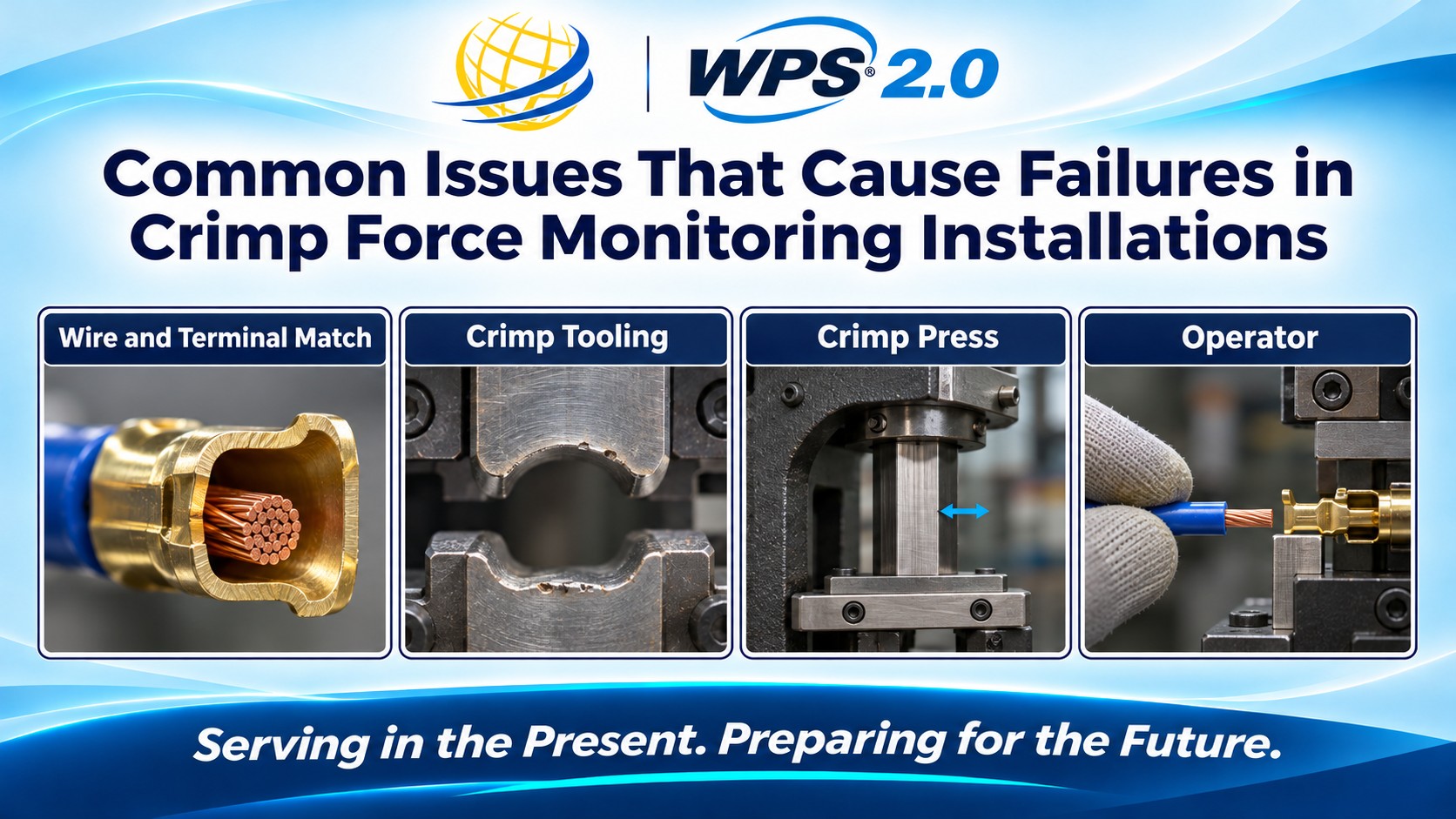
Connecting equipment, training, and laboratory validation.
A properly selected and installed Crimp Force Monitoring system can provide valuable information about the stability of a terminal crimping process. Yet manufacturers often experience excessive alarms, inconsistent defect detection, or declining confidence in the monitoring system. When these problems occur, as mentioned in part one, the first action is to blame the crimp monitor. The second action is to shut down the monitor to silence the alarm conditions. The reality is the monitoring equipment itself is not the cause, the process is.
In Part One, we discussed the basics of the crimp monitoring process. In this part, we will cover how to improve the performance of the crimp and crimp monitoring process.
The Primary goal of all production processes is to continually improve them.
1. Understanding all elements of a crimp.
An understanding of the crimping process and its elements is a critical first step to process improvement.
- Wire and Terminal Match. The terminal crimp barrel should match the wire size. A crimp barrel that is too large for the terminal can result in insufficient compression and allow the wire to move around inside the crimp. This CFM can detect this movement and create an alarm condition.
- Crimp Tooling. Worn tooling or poorly maintained applicators cause variation.
- Crimp Press. Excessive “play” in the ram assembly, worn adapter plates or ram assembly can cause variation in the press shut height and crimp force.
- Operator. Inconsistent wire placement contributes to variation. The wire stop in an applicator serves a distinct purpose. Not using it for consistent wire placement is a common cause of variation.
When excessive alarms occur, the first step is to moderately increase tolerances to reflect process variation. The mistake most companies make is opening tolerances to silence alarms without investigating the cause of the excess variation. This is the critical next step and the basis for an effective quality improvement program.
2. Steps for Process Improvement
Did you know that a CFM serves two roles? Monitoring the Crimp is the first and more common role. But it can also be an important tool for process improvement.
- Identify the applications that are causing excess alarms or defects that are not being detected. Test the CFM by replicating a defect (ex: cut strands or insulation in the wire crimp) to see if the CFM detects the defect. Focus on these applications first.
- Check the wire/terminal match by performing a cross-section to determine compression value and to identify internal deformations that can cause variation.
- Service Crimping Tools to ensure crimp punches meet crimp height and width specs. Check the terminal crimp position to ensure the wire is properly positioned in the terminal.
- Service Crimping Press including lubrication, inspecting wear on ram adapters and base plate, play in ram. Calibrate press and measure crimp force and shut height.
These steps help to reduce variation.
3. Inadequate Operator and Maintenance Training
Even a properly optimized crimp process can become ineffective when personnel do not understand how it works.
Operators may repeatedly reset alarms without investigating the cause. Maintenance personnel may adjust sensitivity settings to reduce nuisance alarms without understanding the consequences.
Over time, these practices can compromise the effectiveness of the monitoring system.
Training should address the fundamentals of force monitoring, interpretation of alarms, appropriate corrective actions, and the circumstances under which monitoring parameters must be reviewed.
Personnel should understand not only how to operate the equipment but also why the monitoring system is an important part of the manufacturing quality process.
Operator and Maintenance Training for plant personnel and Advanced Training for Engineering and Quality Support provide the basis for a common language and unified approach to quality improvement.
4. Failure to Revalidate After Process Changes
Changes to tooling, terminals, wire specifications, or machine settings can influence the force signature.
A monitoring configuration that performed effectively during initial installation may no longer be appropriate after significant process changes.
Manufacturers should establish procedures for reviewing and, where necessary, revalidating monitoring parameters following changes that could affect the crimping process.
Periodic performance verification can also help maintain confidence in the system.
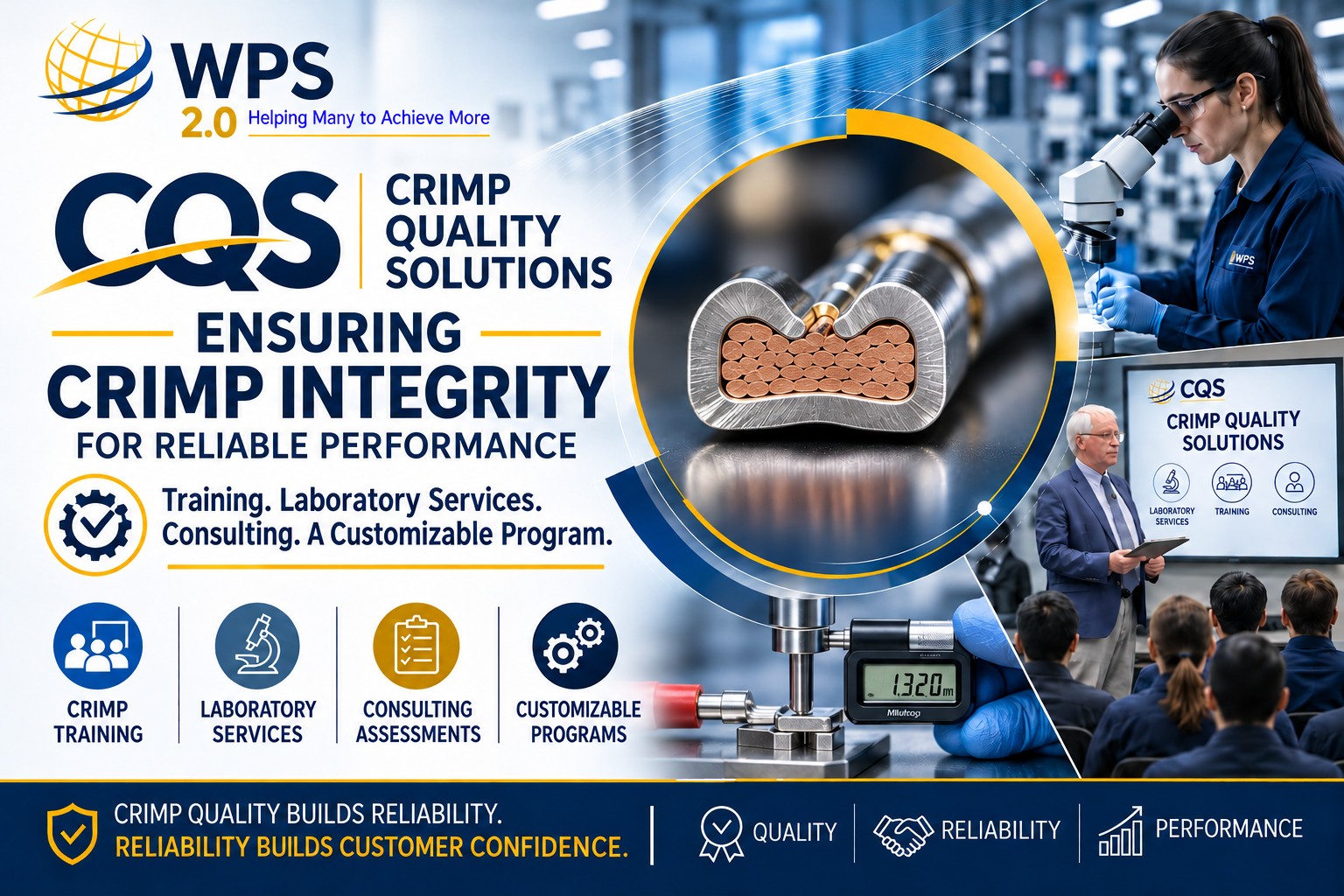
Connecting Technology With Manufacturing Capability
At WireProcess Specialties, we believe successful quality improvement requires more than installing equipment.
Through Crimp Quality Solutions (CQS), we help manufacturers develop the knowledge and technical evidence needed to support effective crimping processes.
Our complementary services include:
Technical Training: Equipping operators, maintenance personnel, and quality professionals with practical knowledge of terminal crimping and process monitoring.
Laboratory Services: Providing cross-section analysis, mechanical testing, and other evaluations that support crimp quality verification and process validation.
Consulting and Process Assessments: Helping manufacturers identify opportunities to improve process stability, monitoring practices, and quality assurance.
These services can be incorporated into a customized Crimp Performance Optimization program that complements existing equipment and quality systems.
The Bottom Line
Crimp Force Monitoring is a valuable technology, but its effectiveness depends on understanding its capabilities and limitations.
A successful installation requires more than selecting the right equipment. It requires a stable process, appropriate monitoring parameters, trained personnel, and ongoing verification.
When equipment, knowledge, and quality validation work together, manufacturers are better positioned to achieve consistent and reliable crimping performance.
WireProcess Specialties — WPS 2.0
Serving in the Present. Preparing for the Future.
Helping Many to Achieve More.


